Whole journeys, not thumbnail pairs.
Anyone can publish two photographs. Every case below opens into the whole journey — the consultation, the hairline design, the operation, the awkward weeks nobody shows you, and the result.
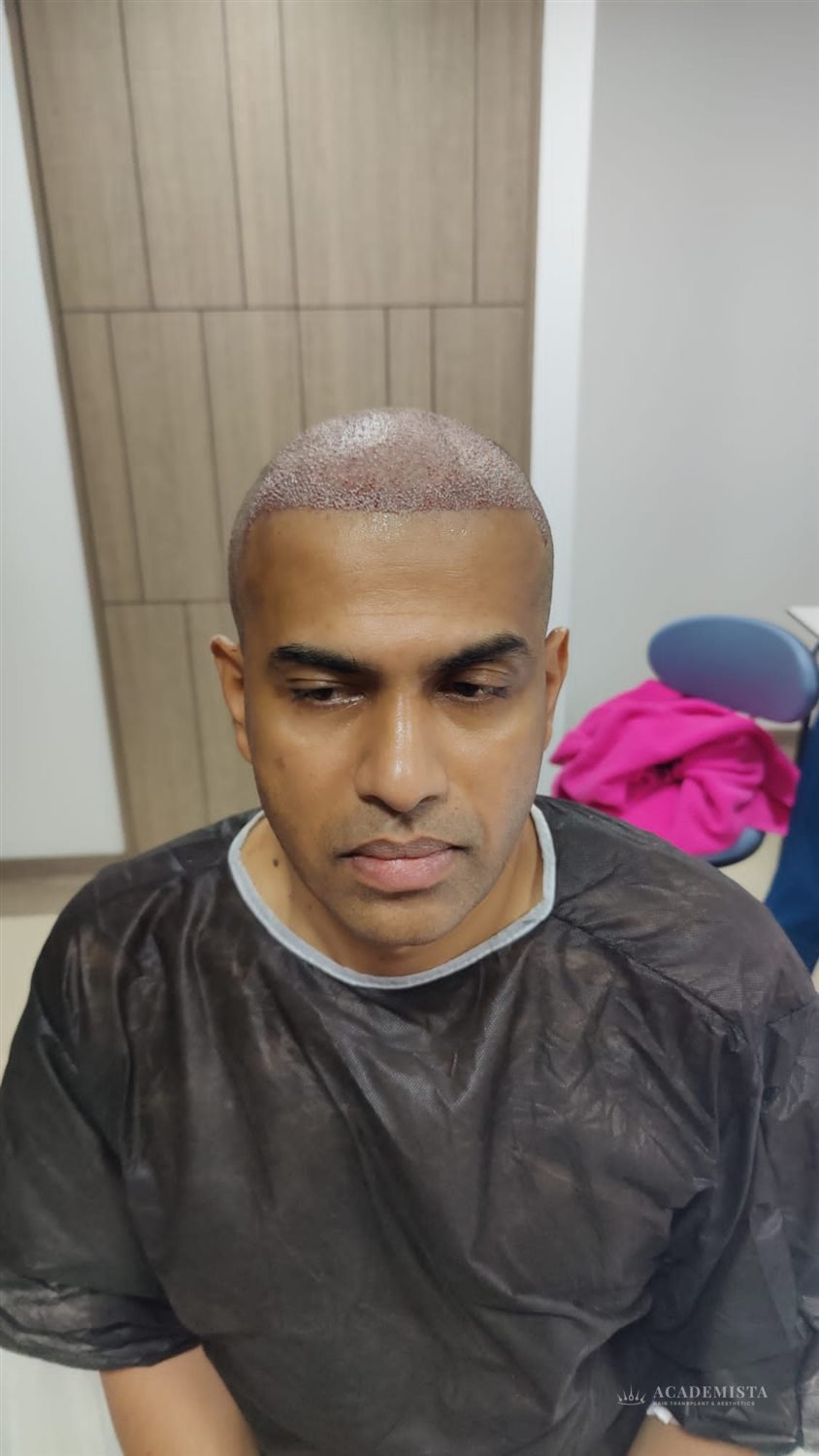
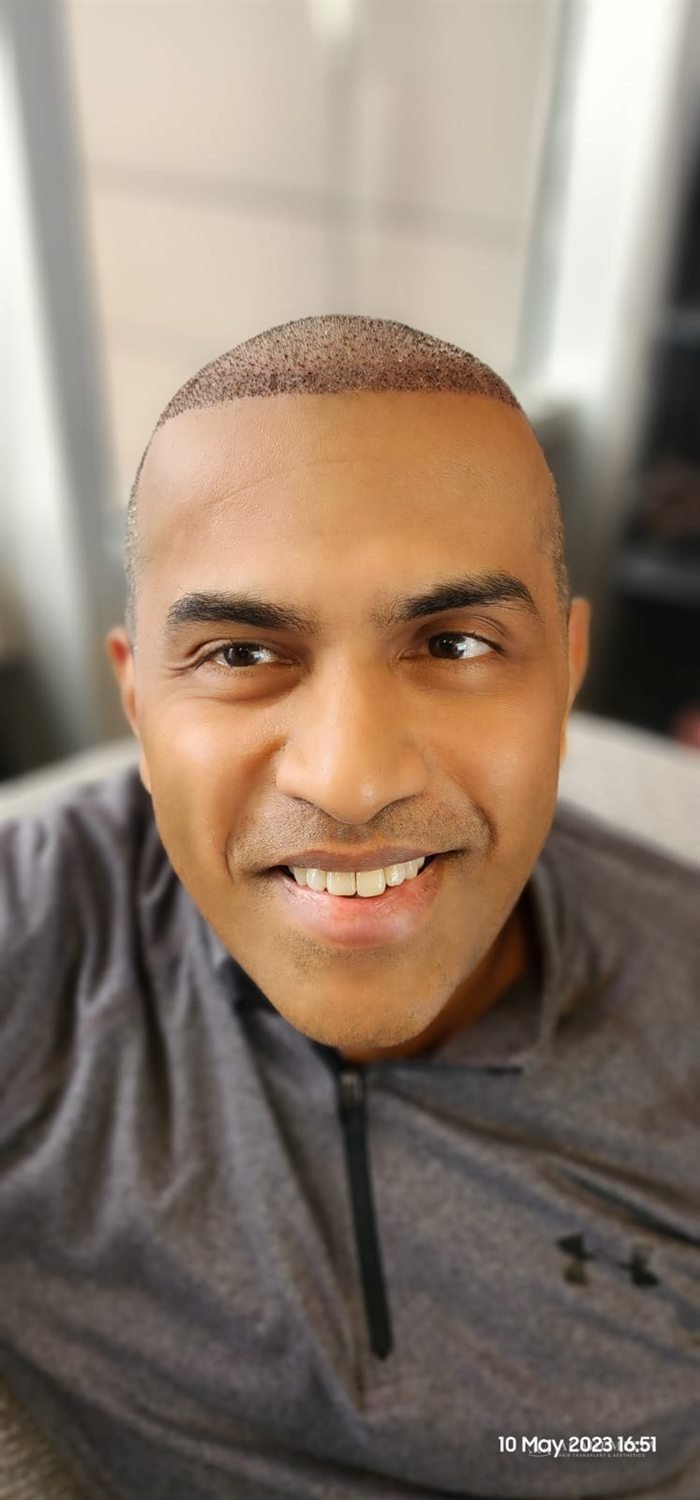
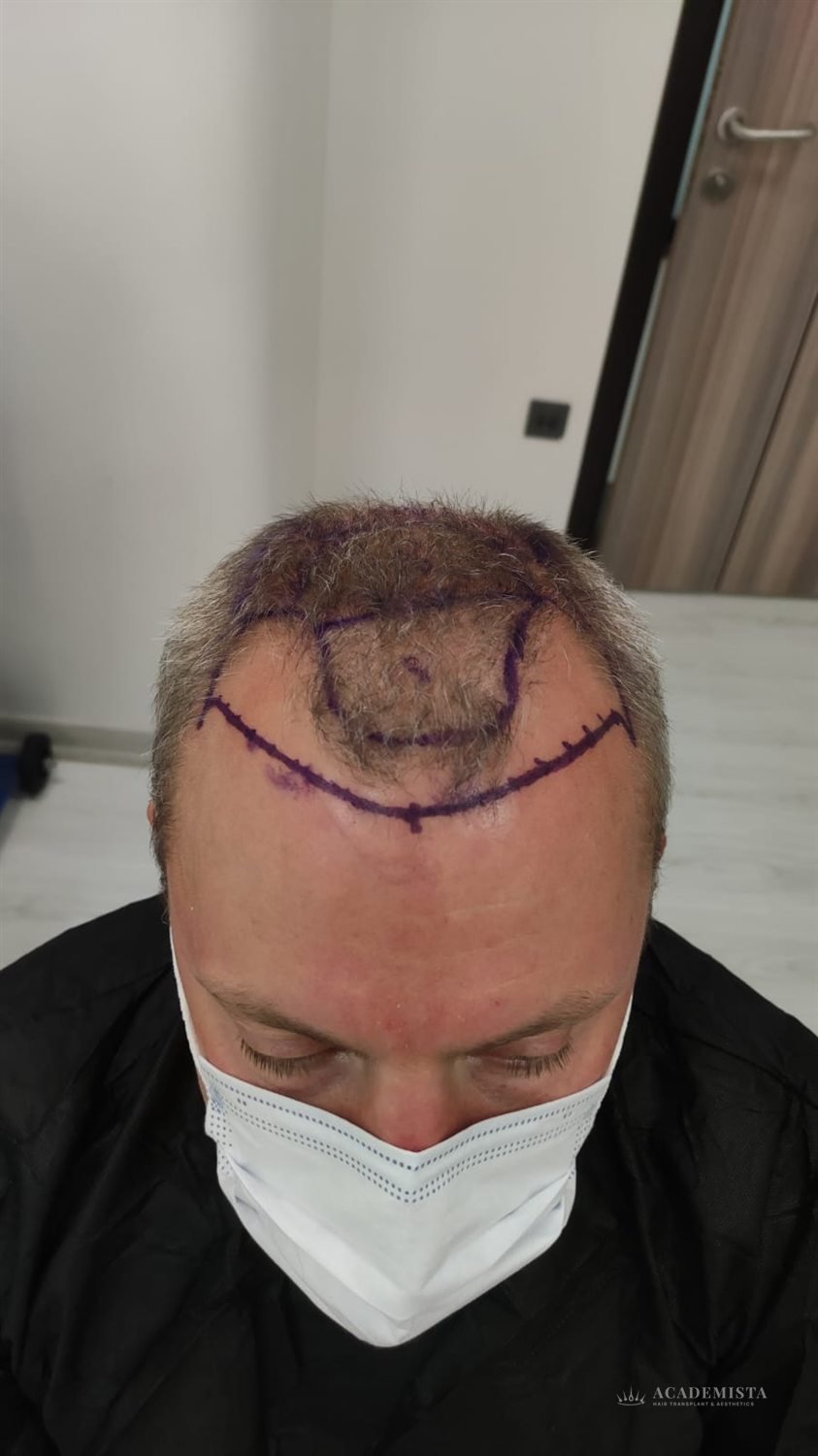
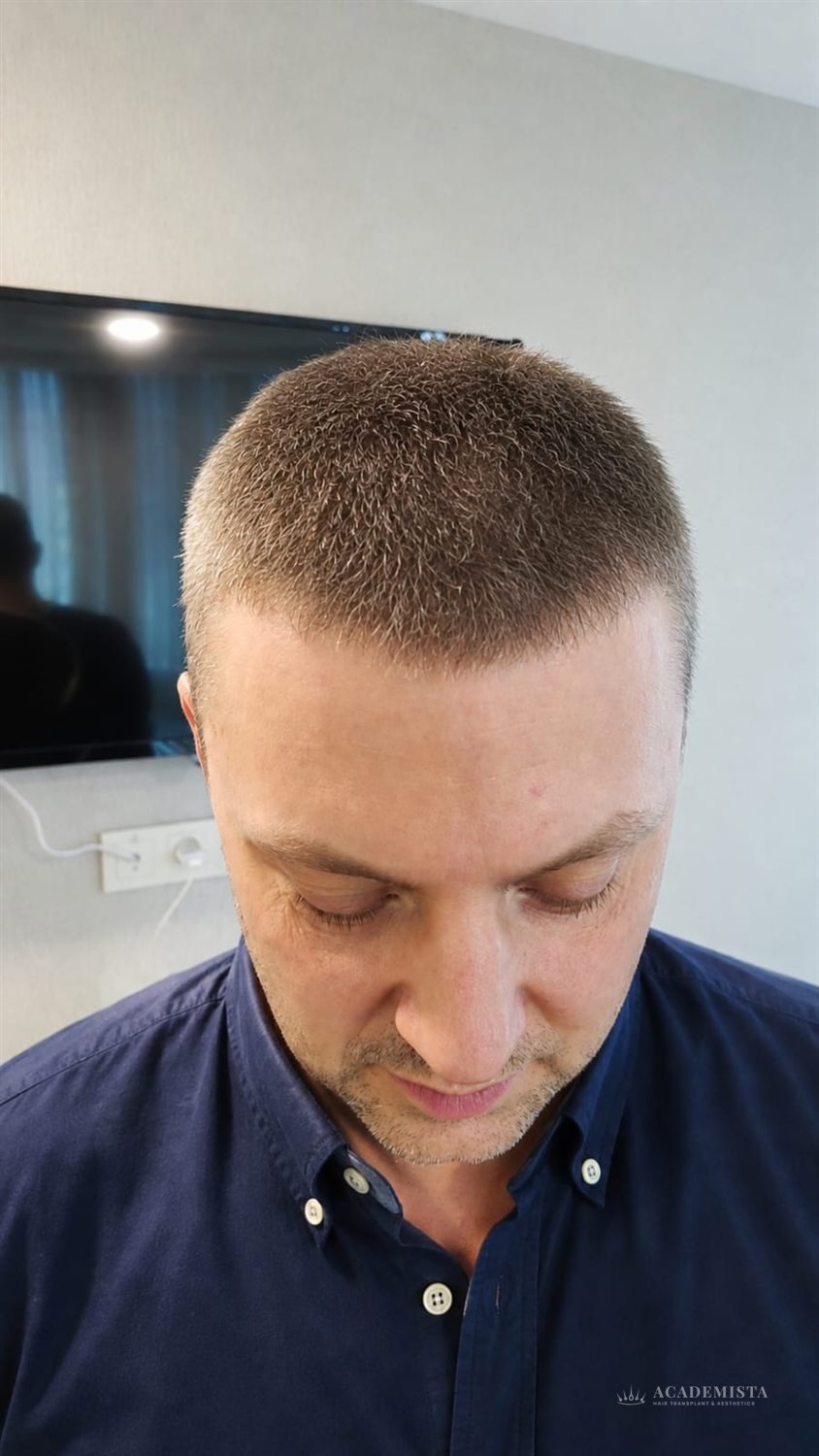
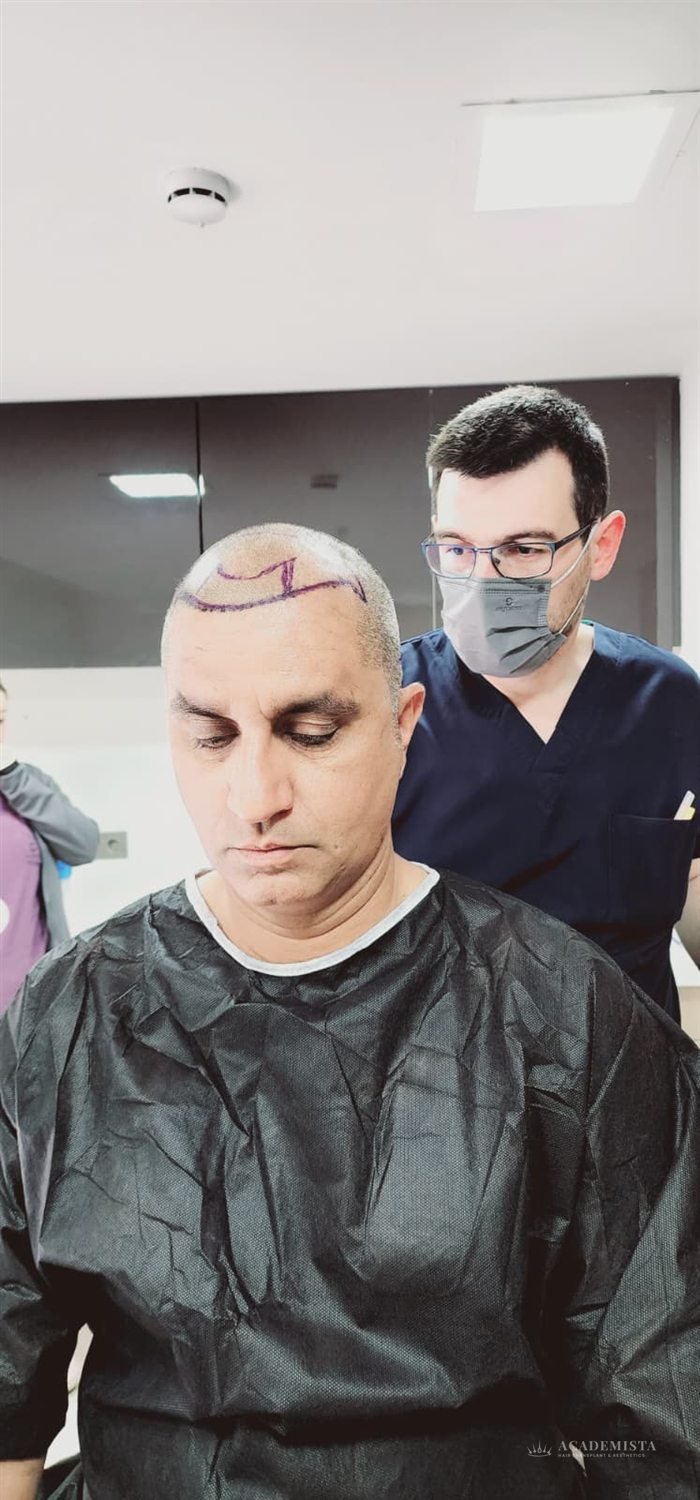

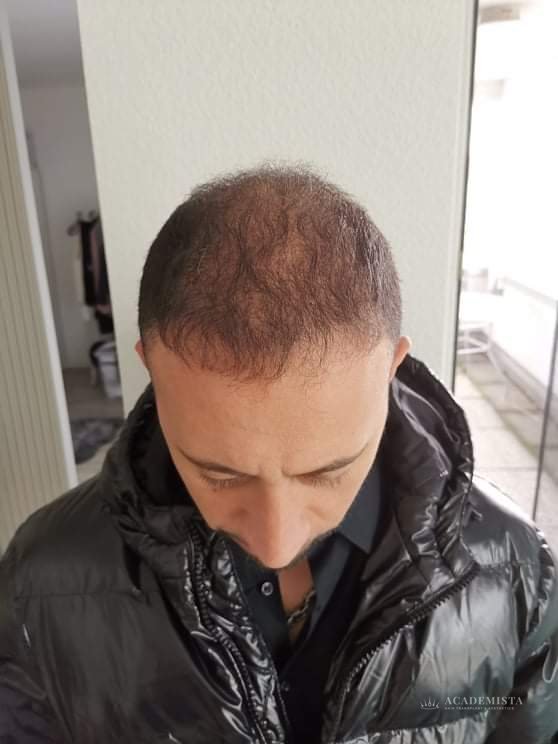

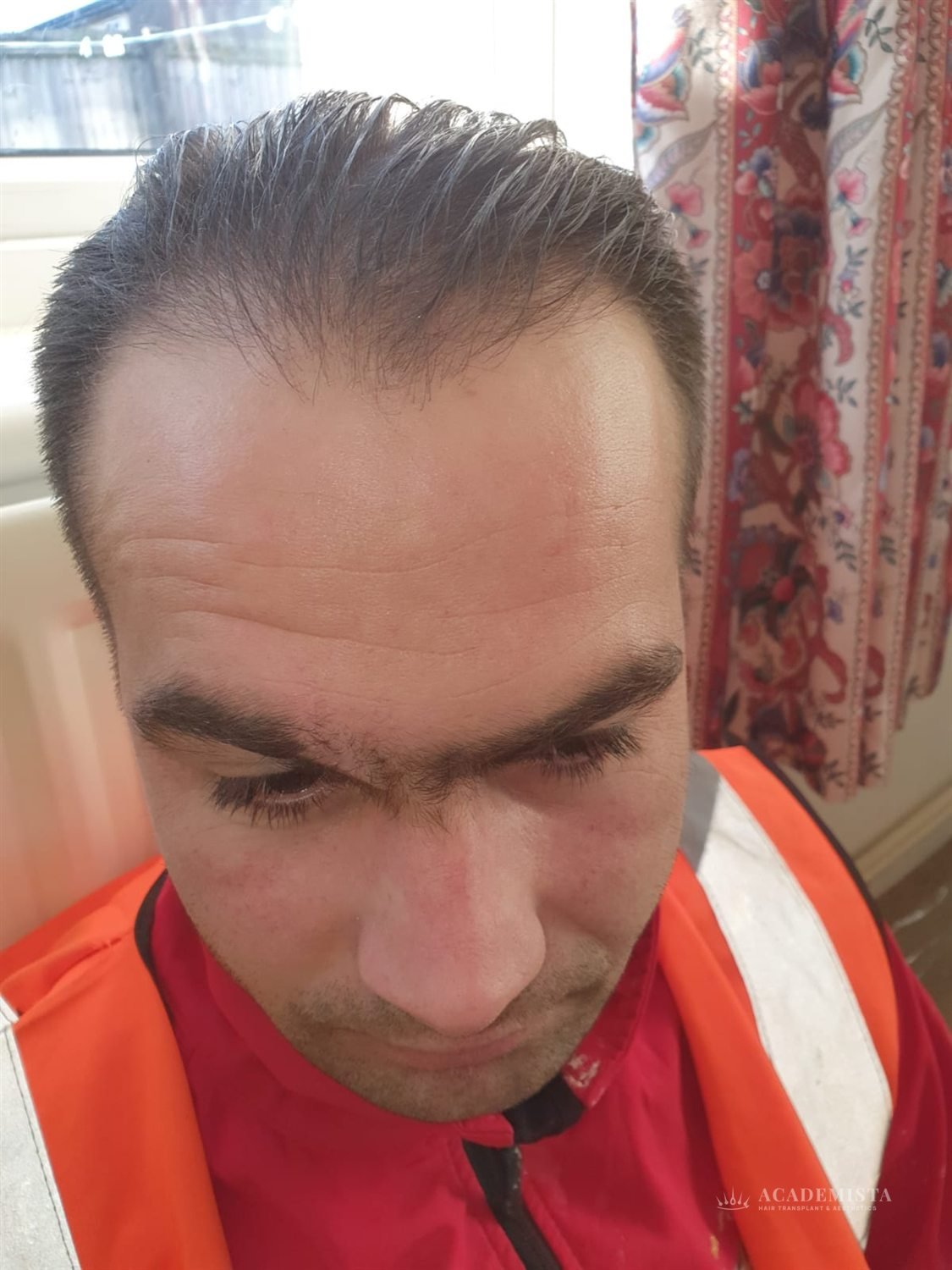
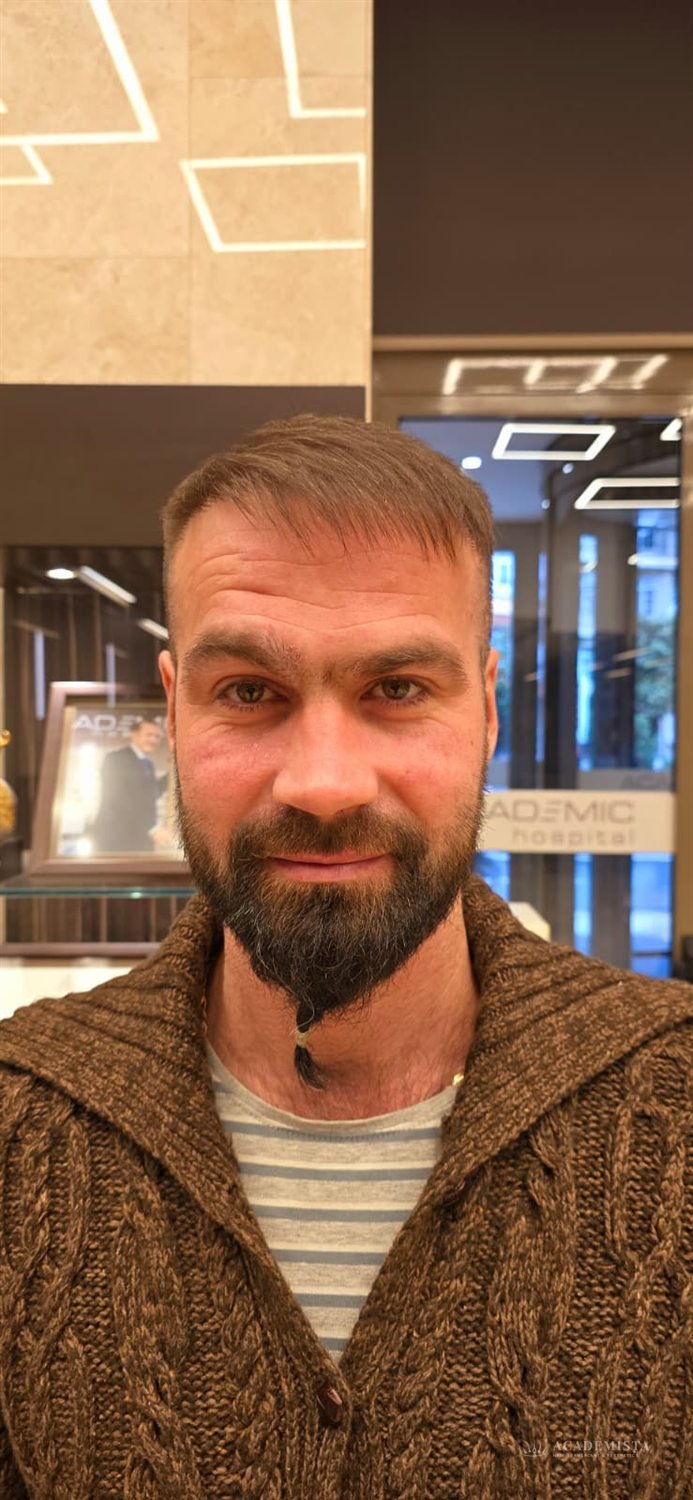
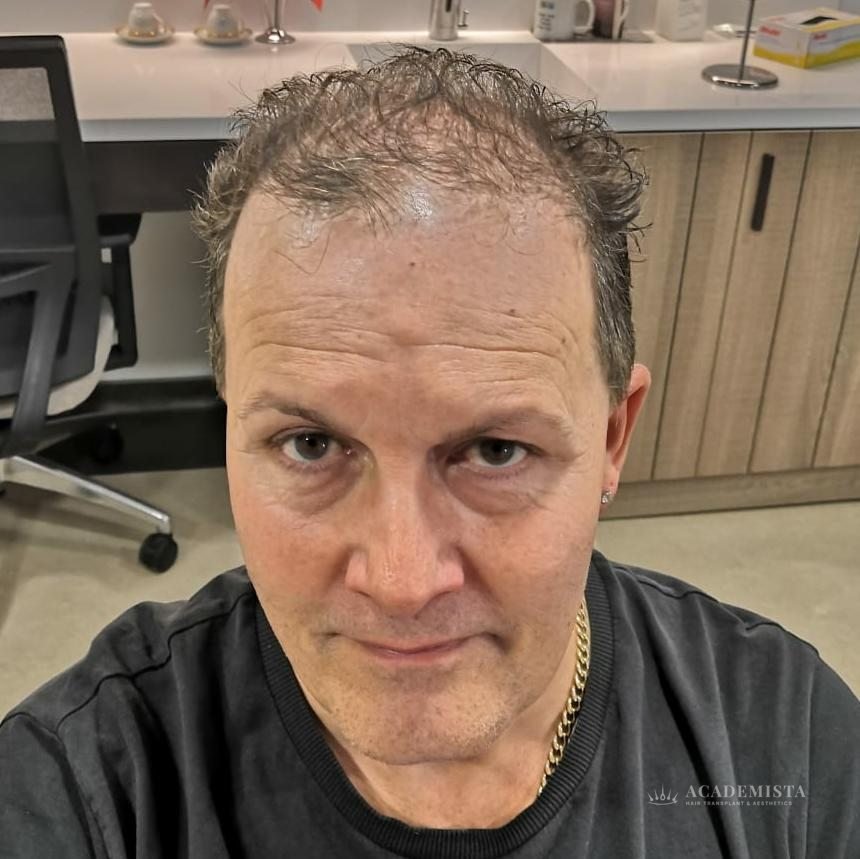

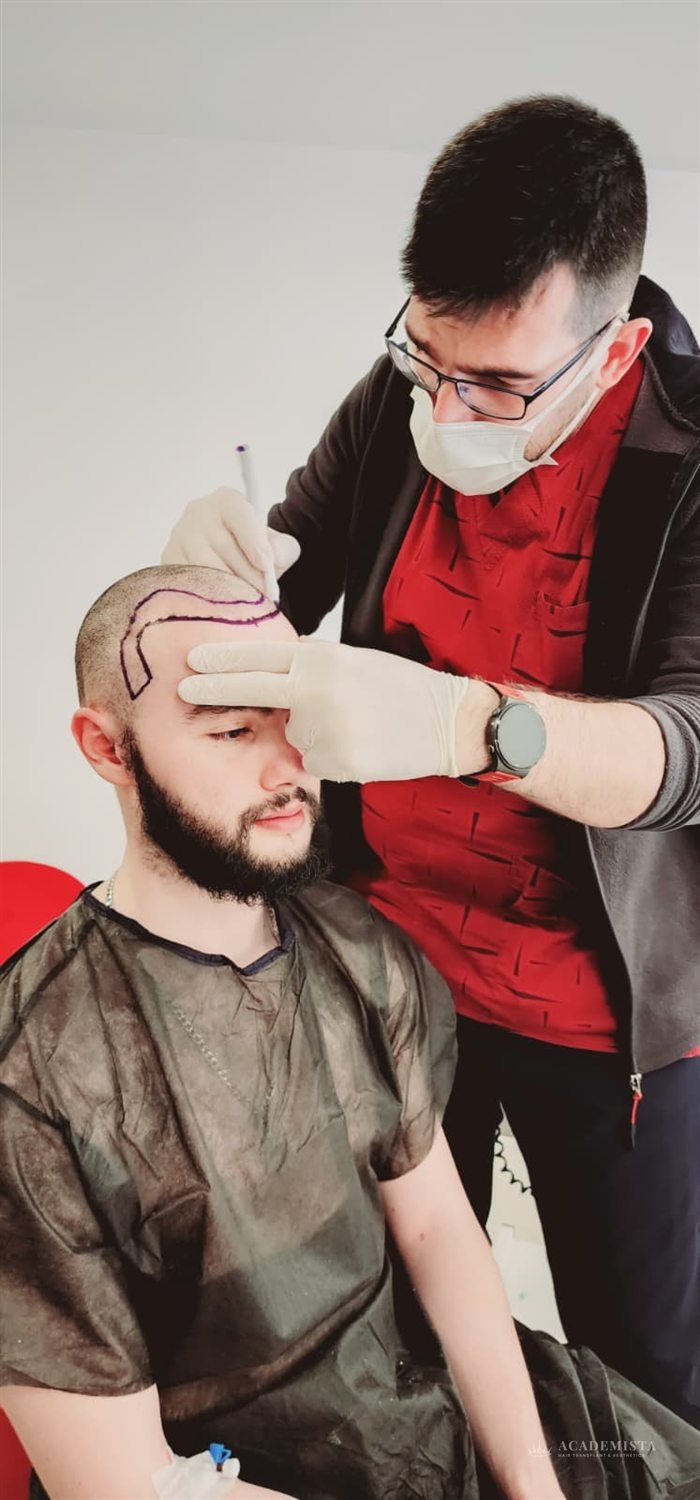
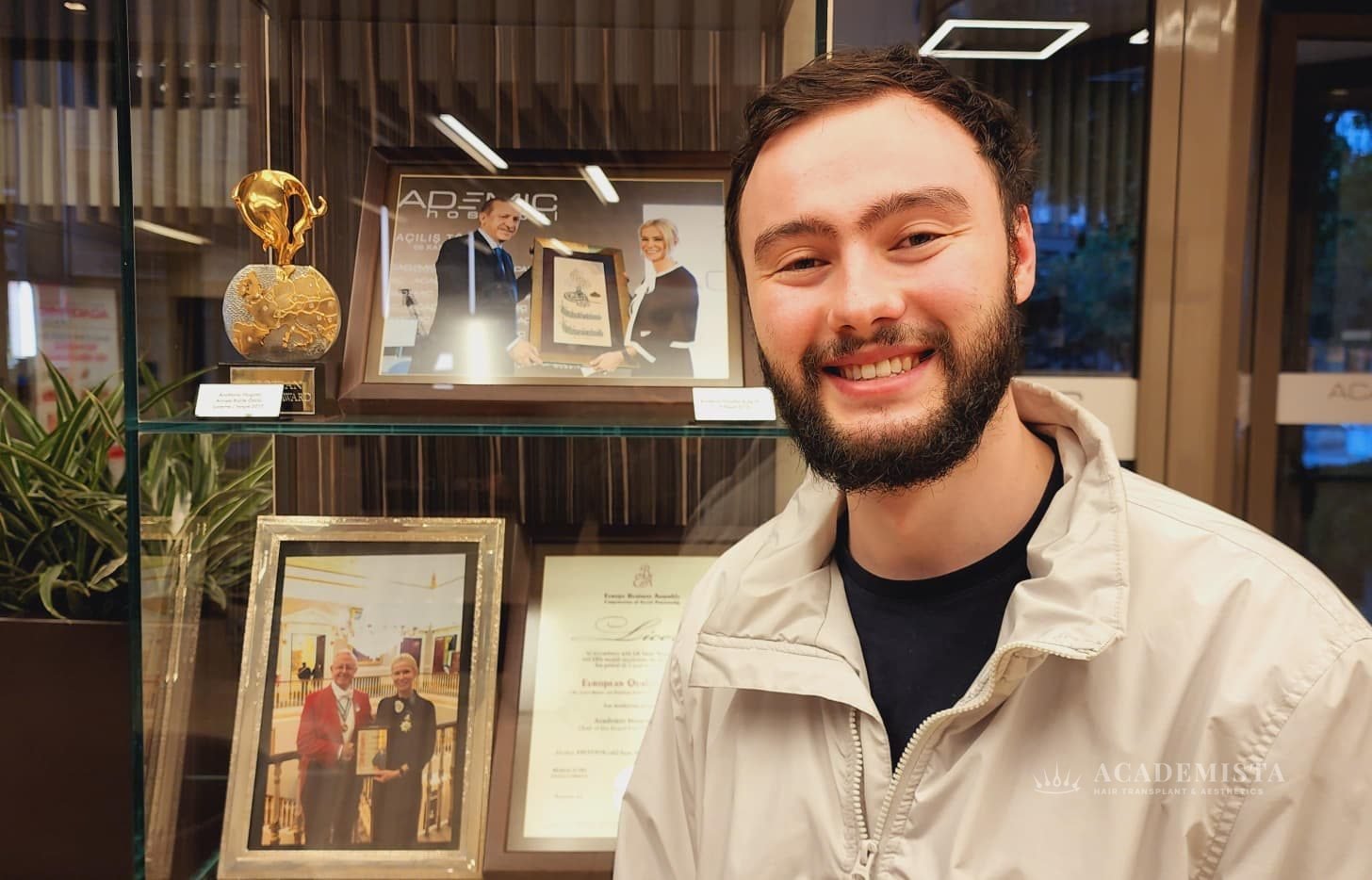
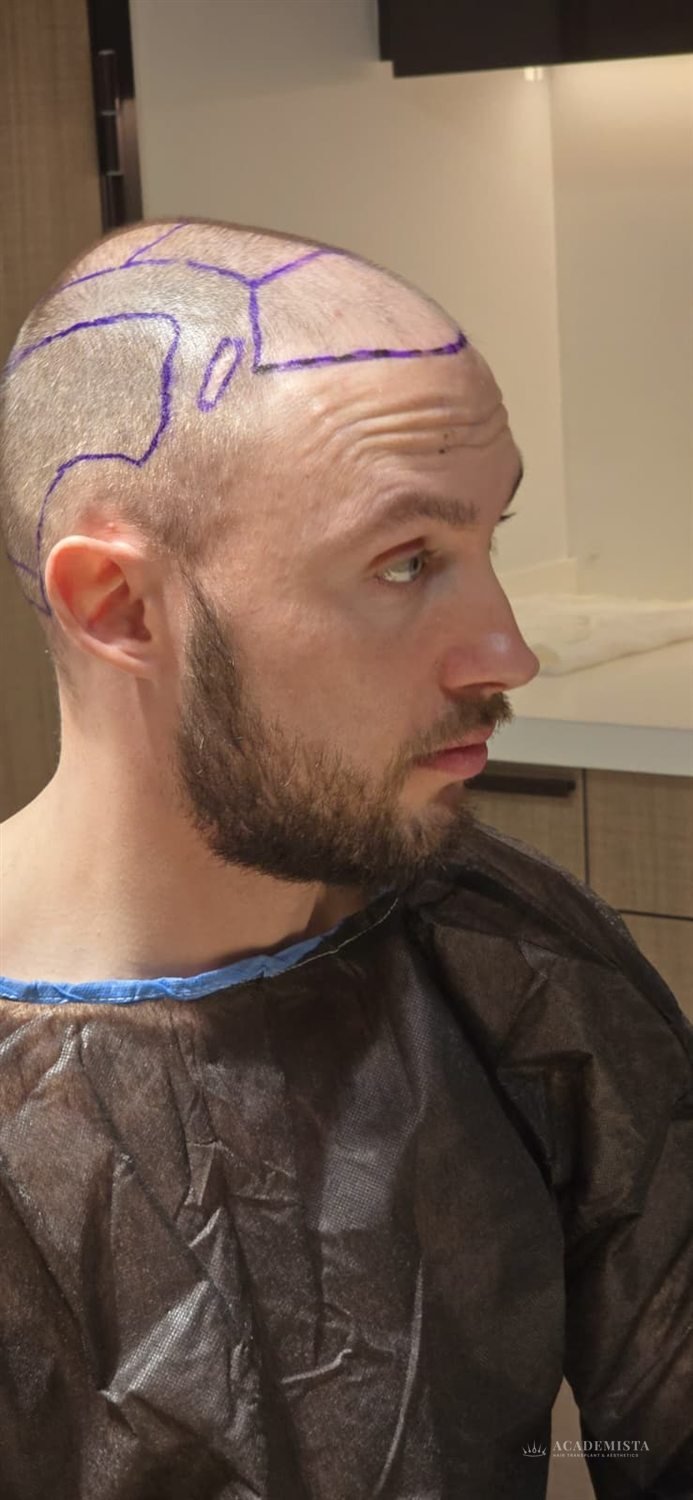

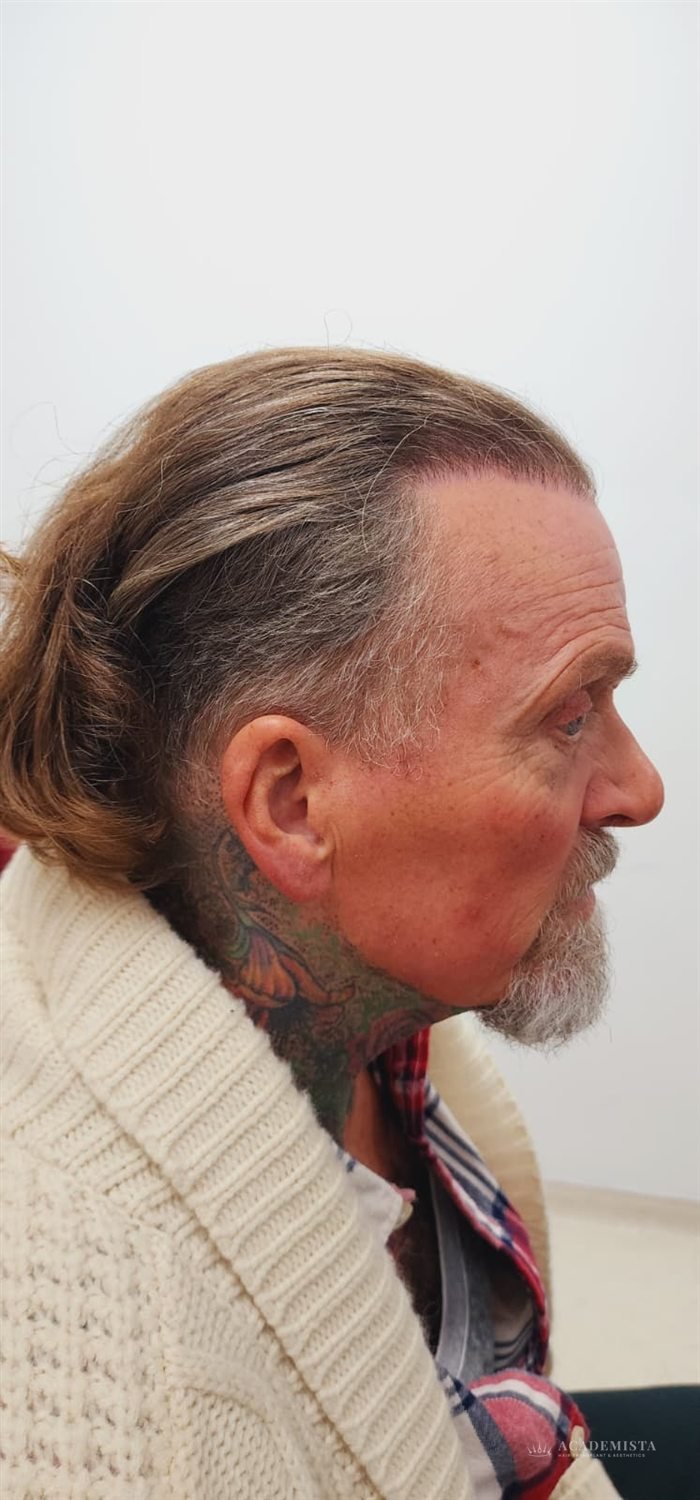
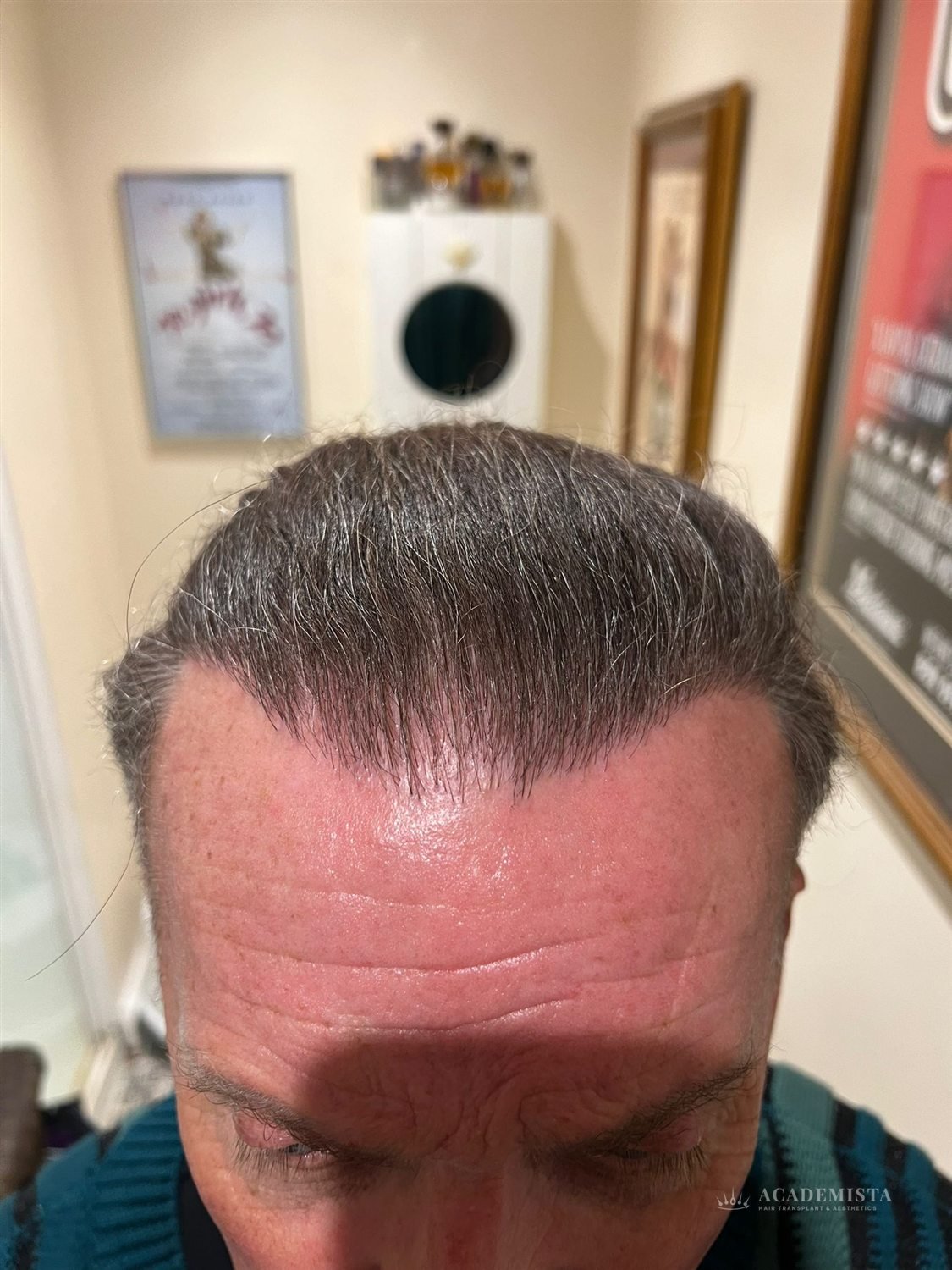
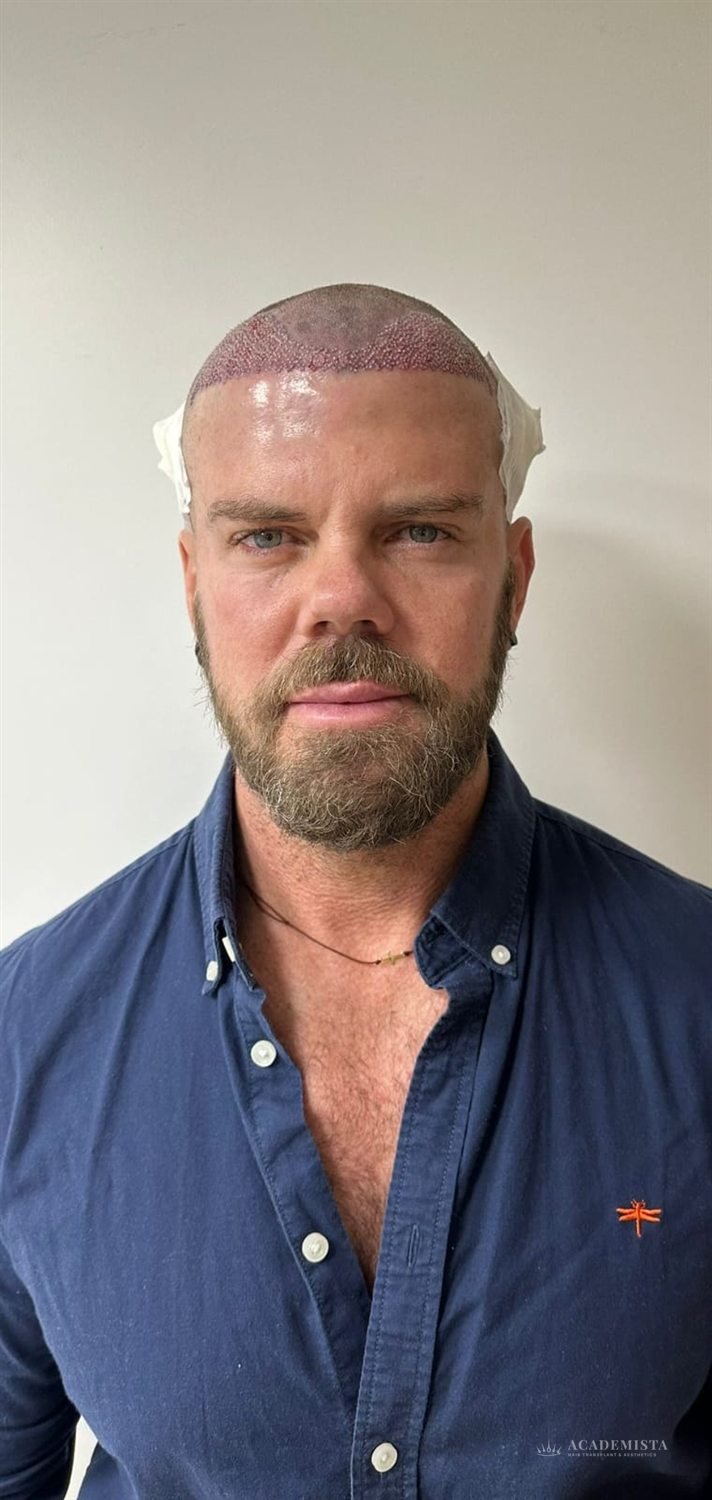
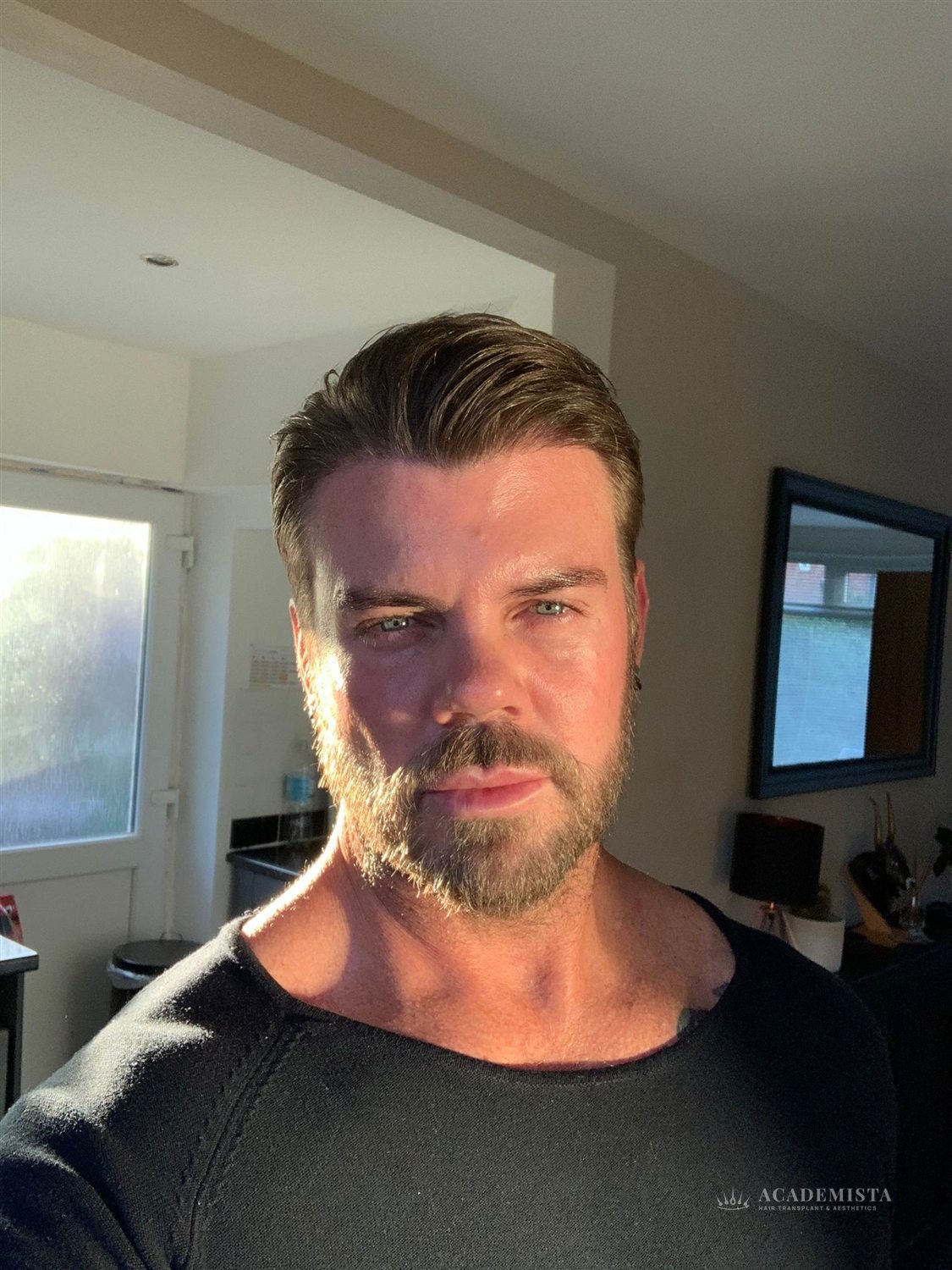
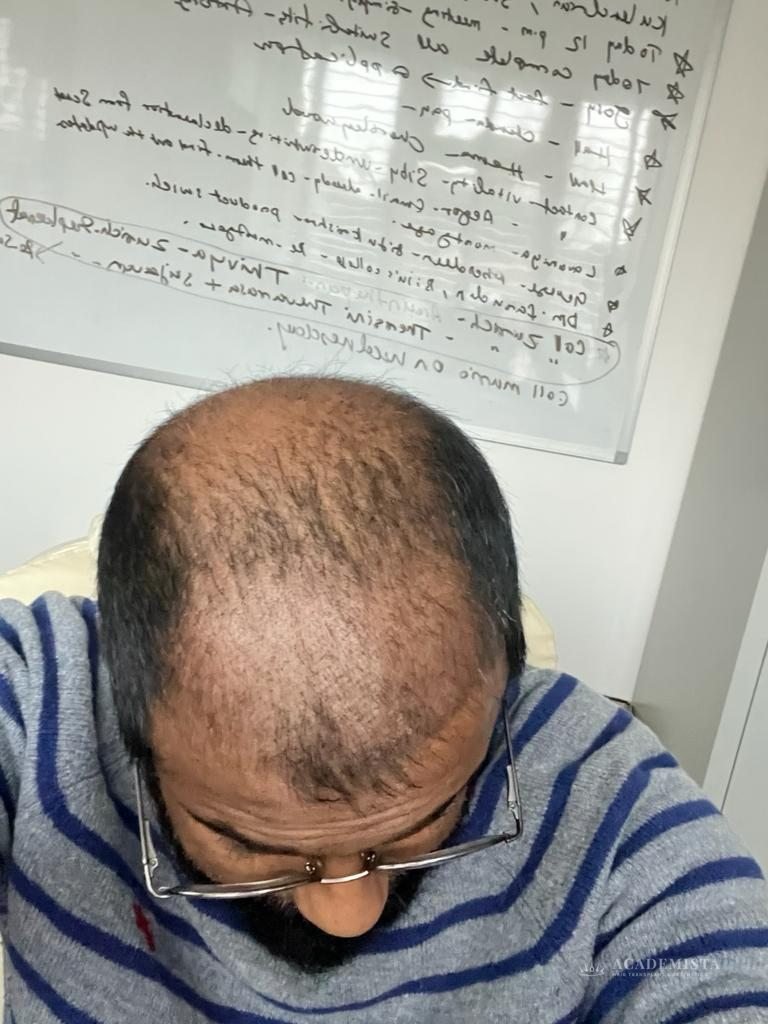

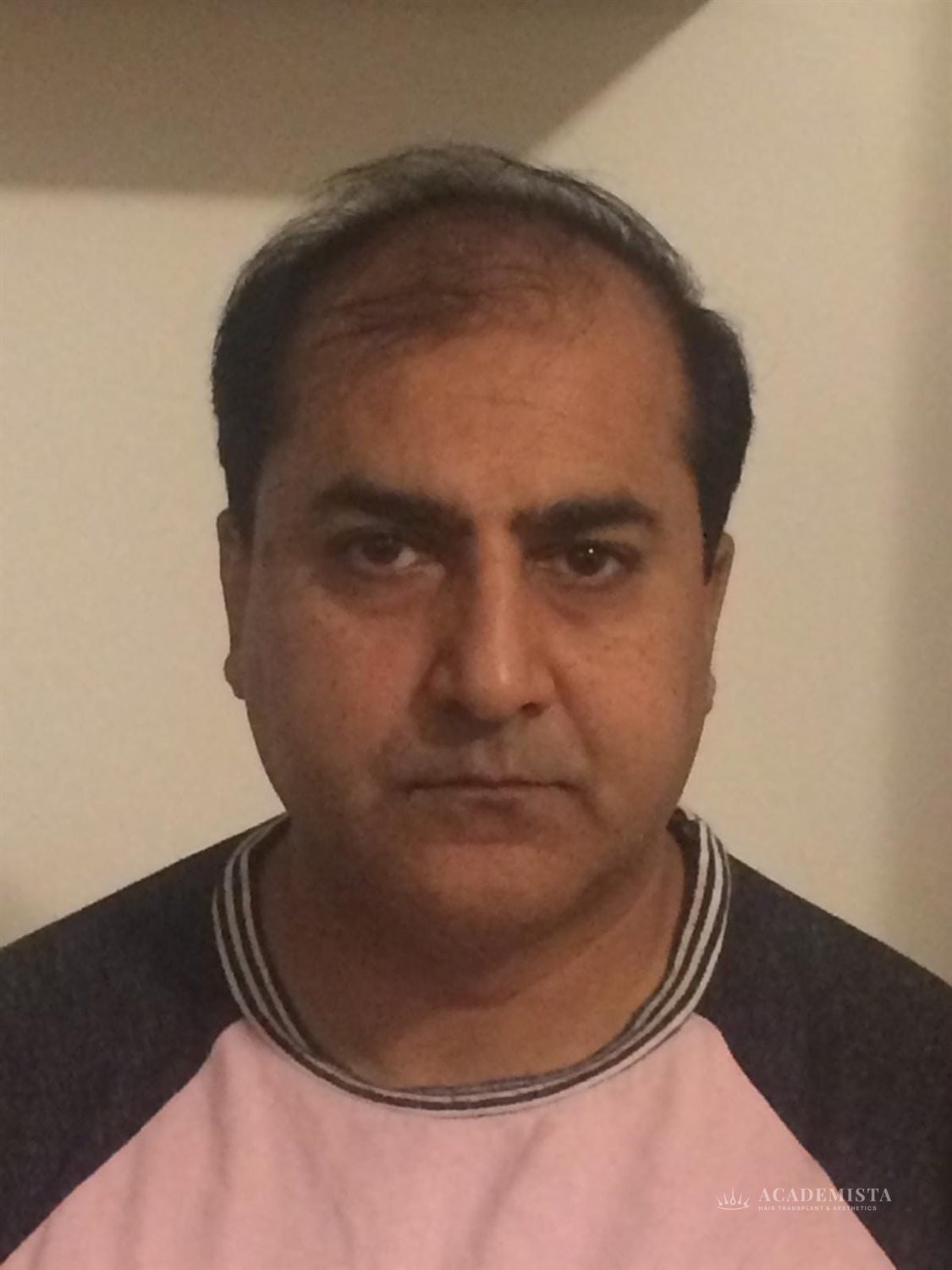
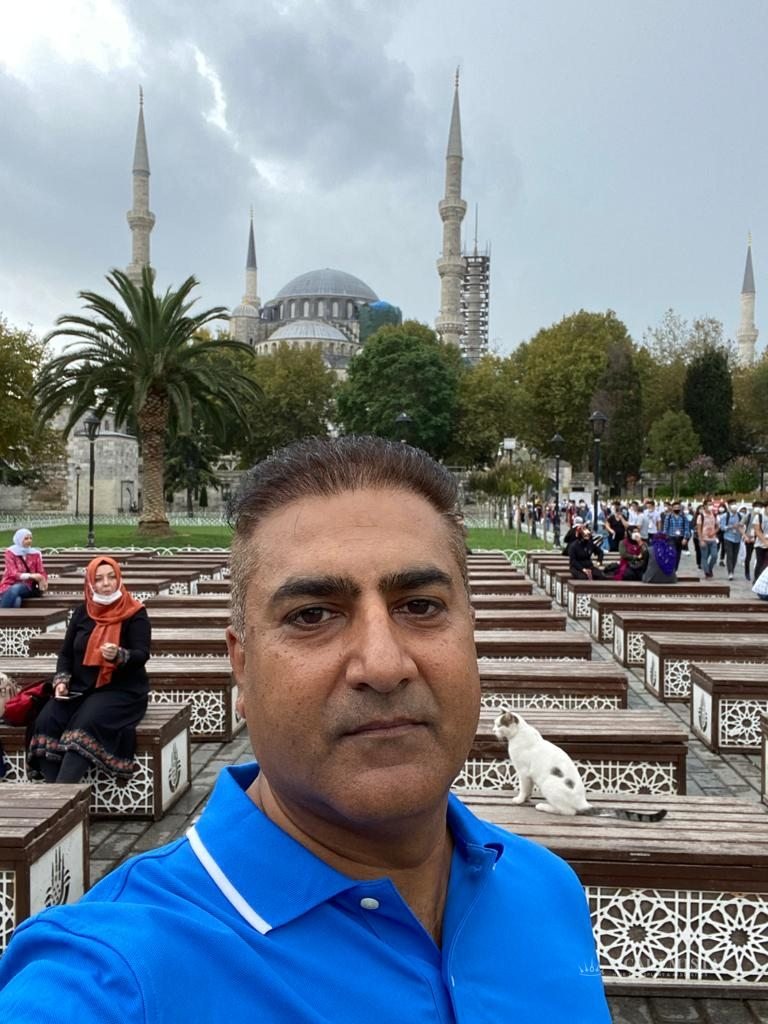
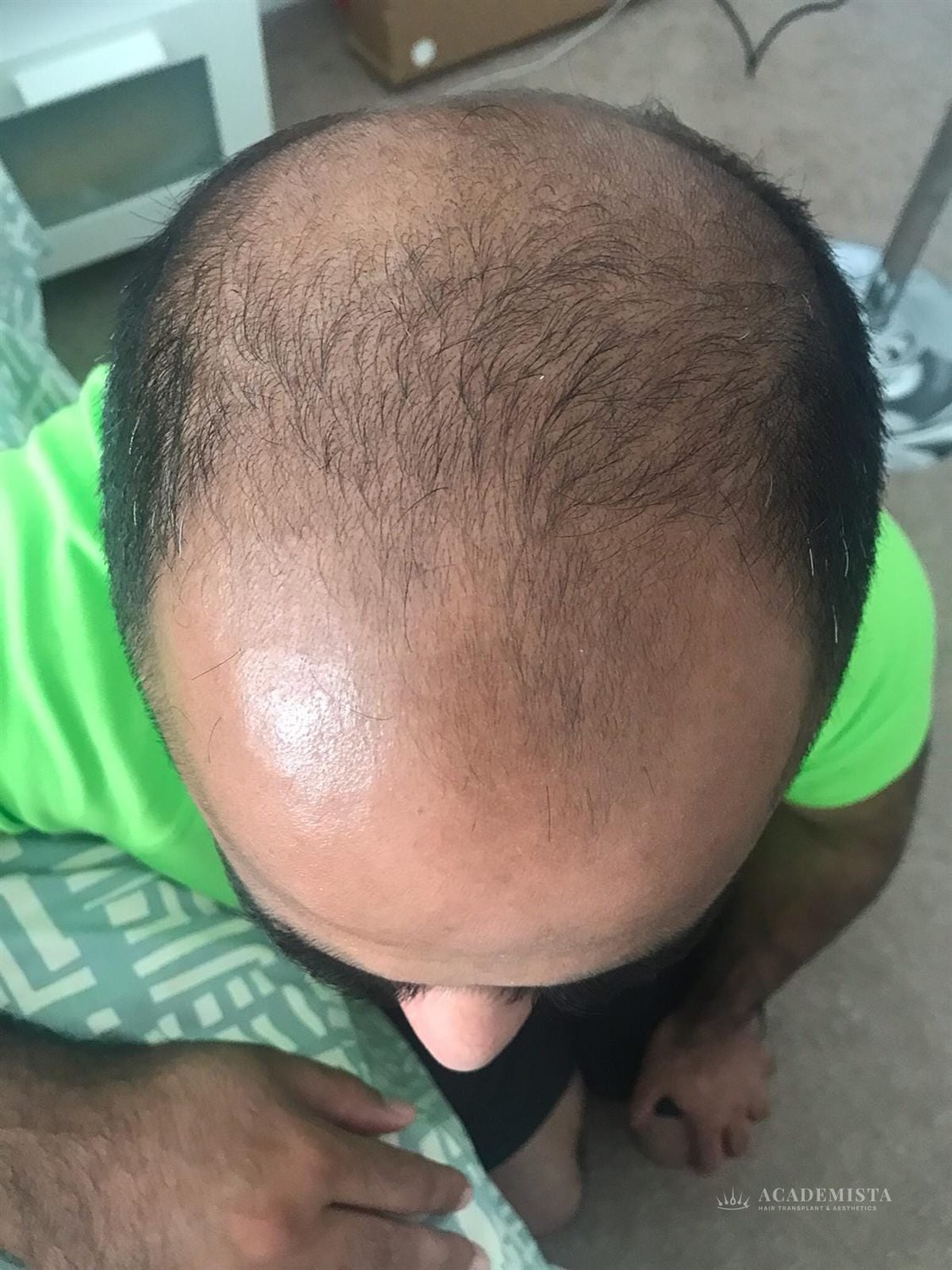

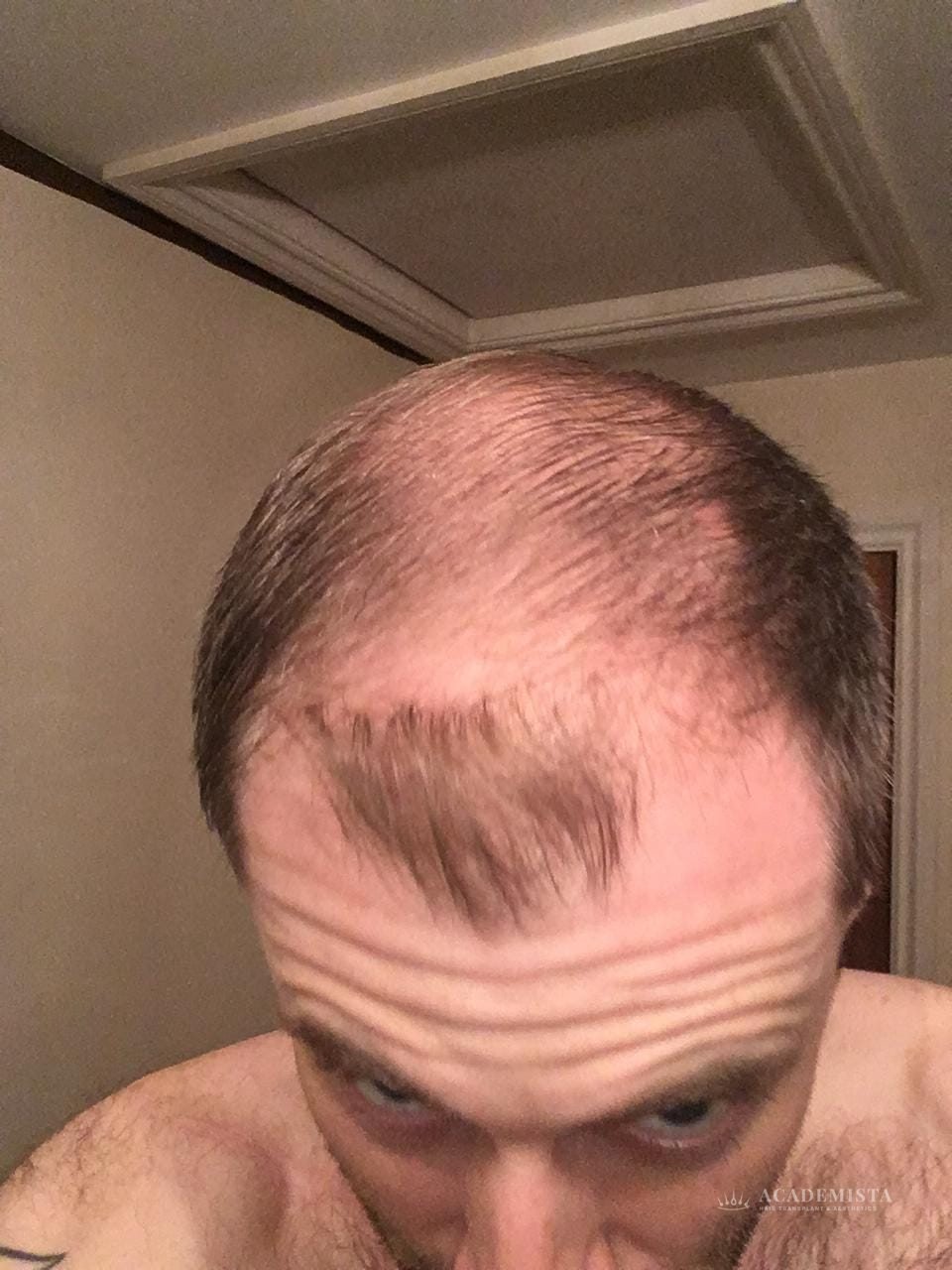

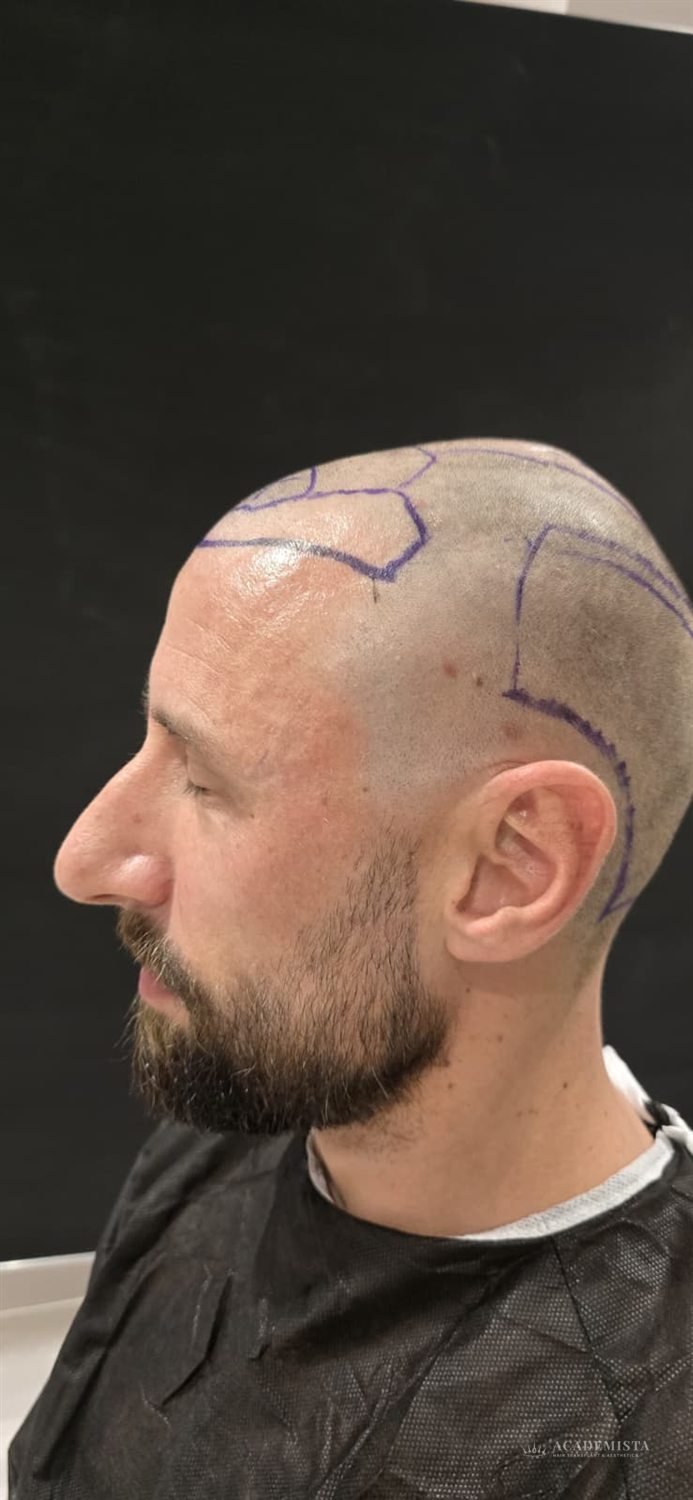
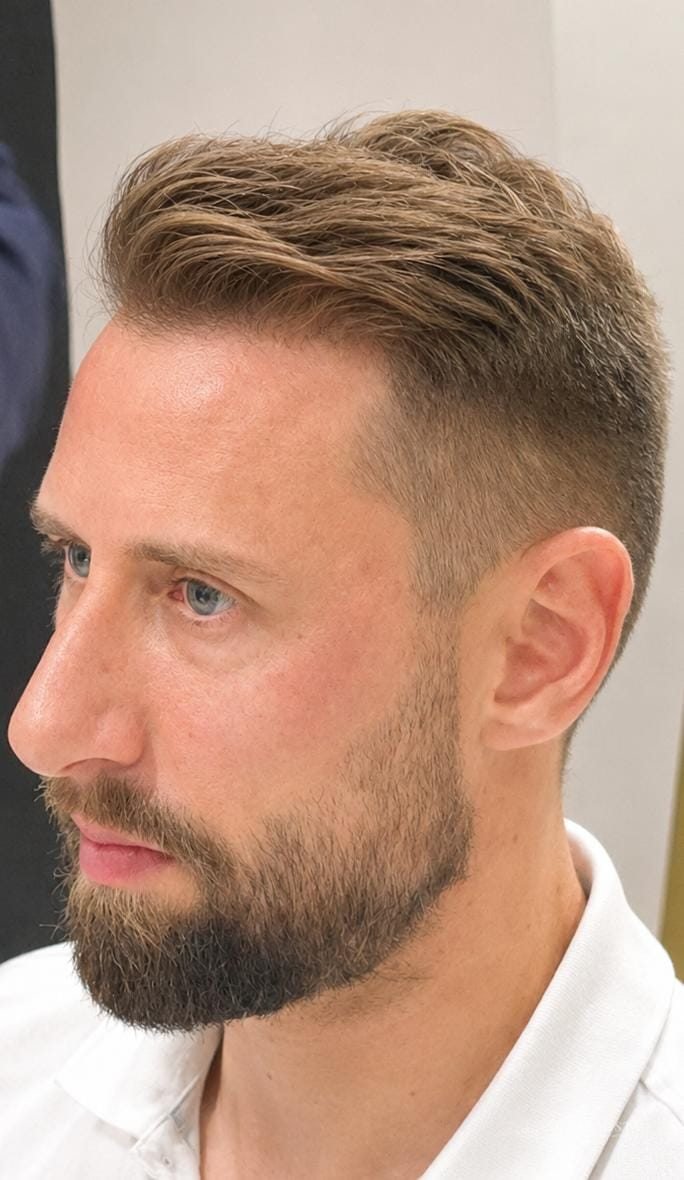
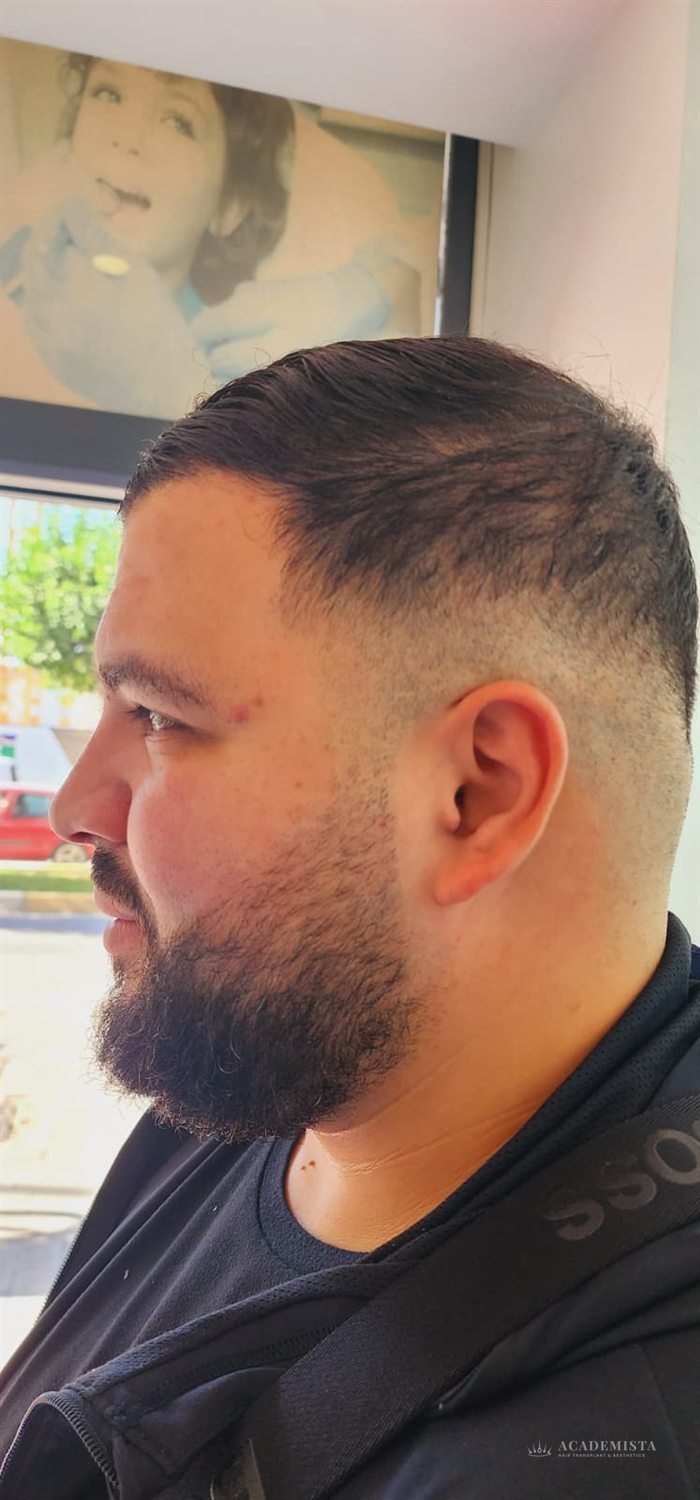
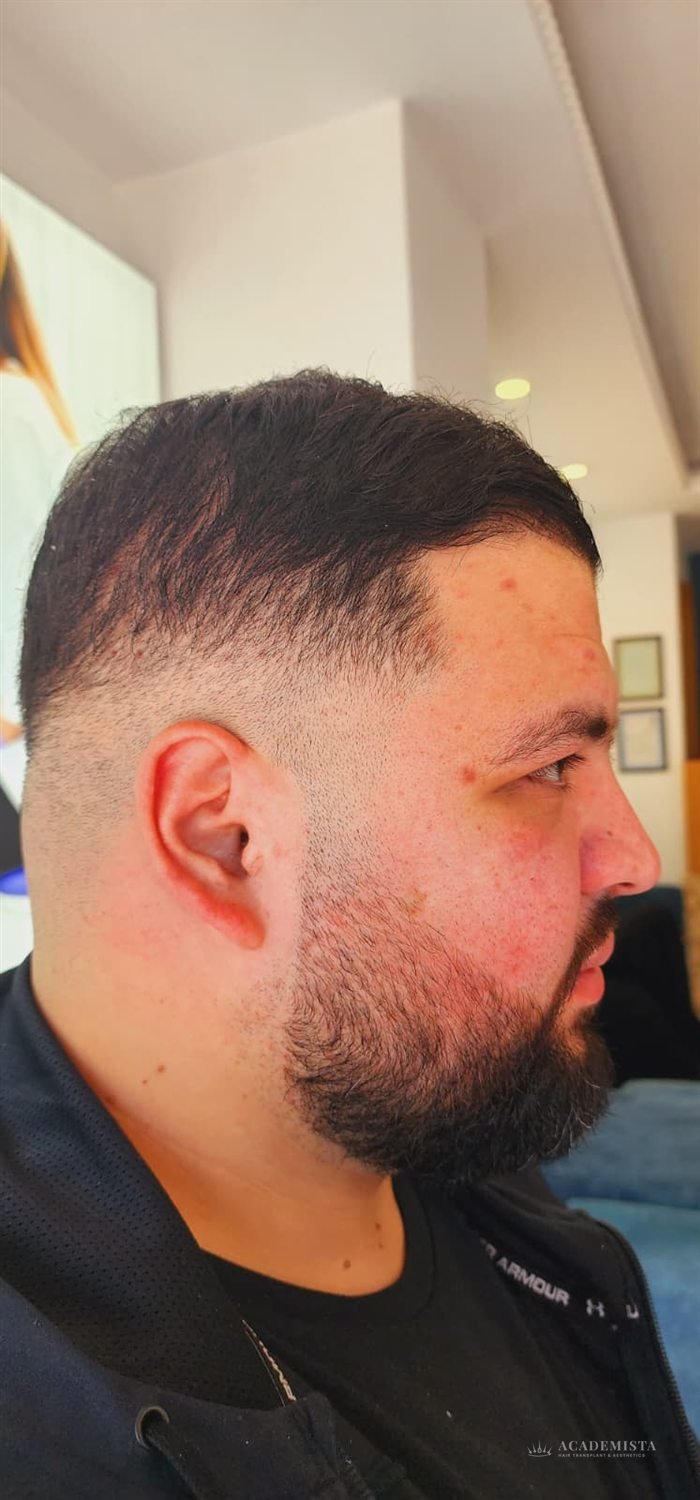
Unretouched — exposure and colour normalised only, never the hair. Every case states its technique, graft count and stage. How to read any clinic's before & after photos.
Don't take our word for it. Take theirs.
Reviews live on Google and Trustpilot, where we can't edit or delete them. We don't pay for reviews, we don't screen them, and we don't remove the critical ones.
Google reviews widget
Connect the Google Business Profile and the live rating, review count and latest reviews appear here automatically.
Trustpilot TrustBox
Add the Trustpilot business account and the live TrustScore and reviews appear here automatically.
Every review platform we use is public and independent. If a patient has a bad experience, you will be able to read about it in the same place as the good ones.
This is what recovery actually looks like.
Clinics show you day 0 and month 12. The weeks in between are why patients panic and post desperate questions on forums at 2am. Here they are, from one of our Norwegian patient's own photos.
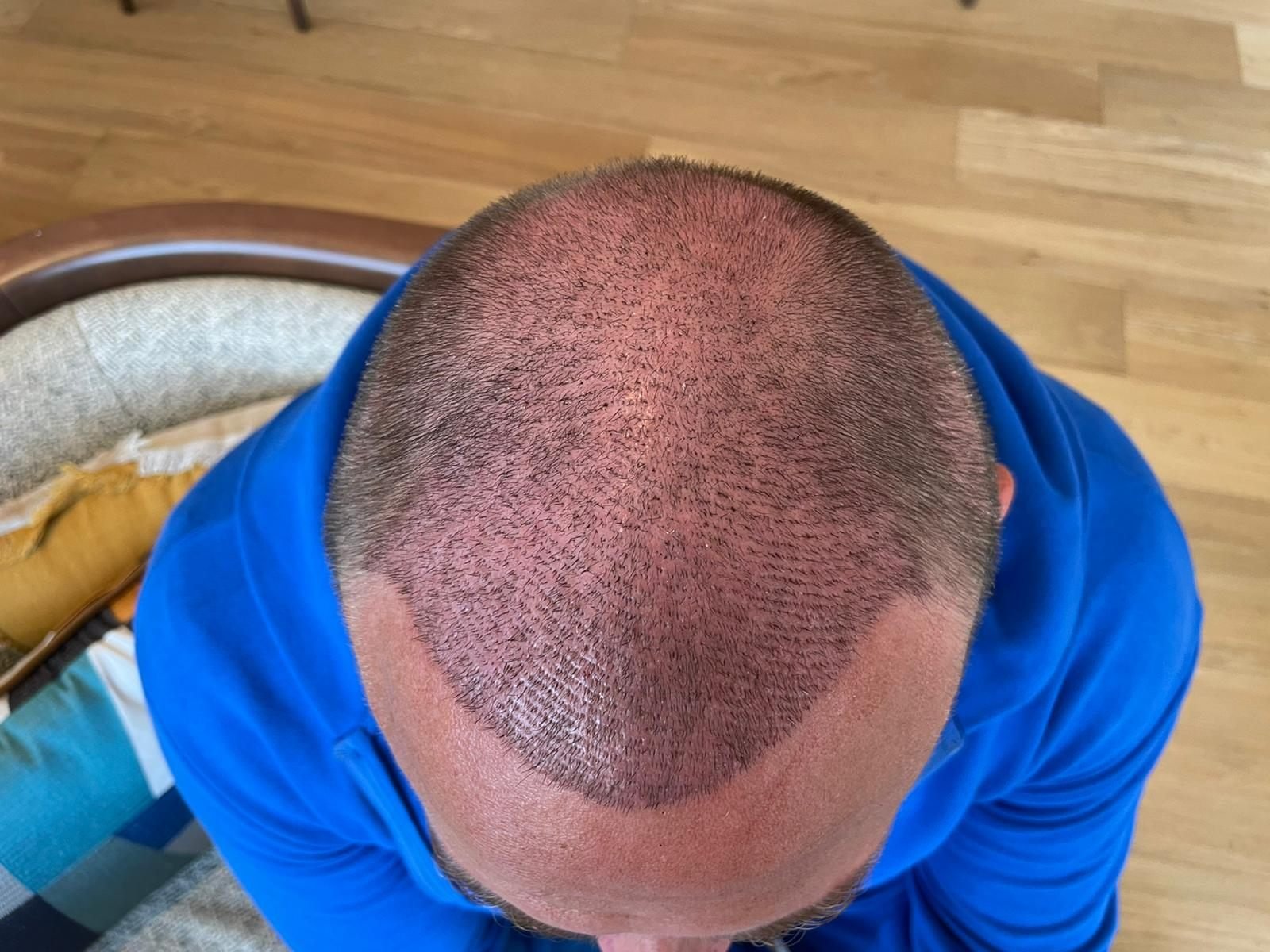
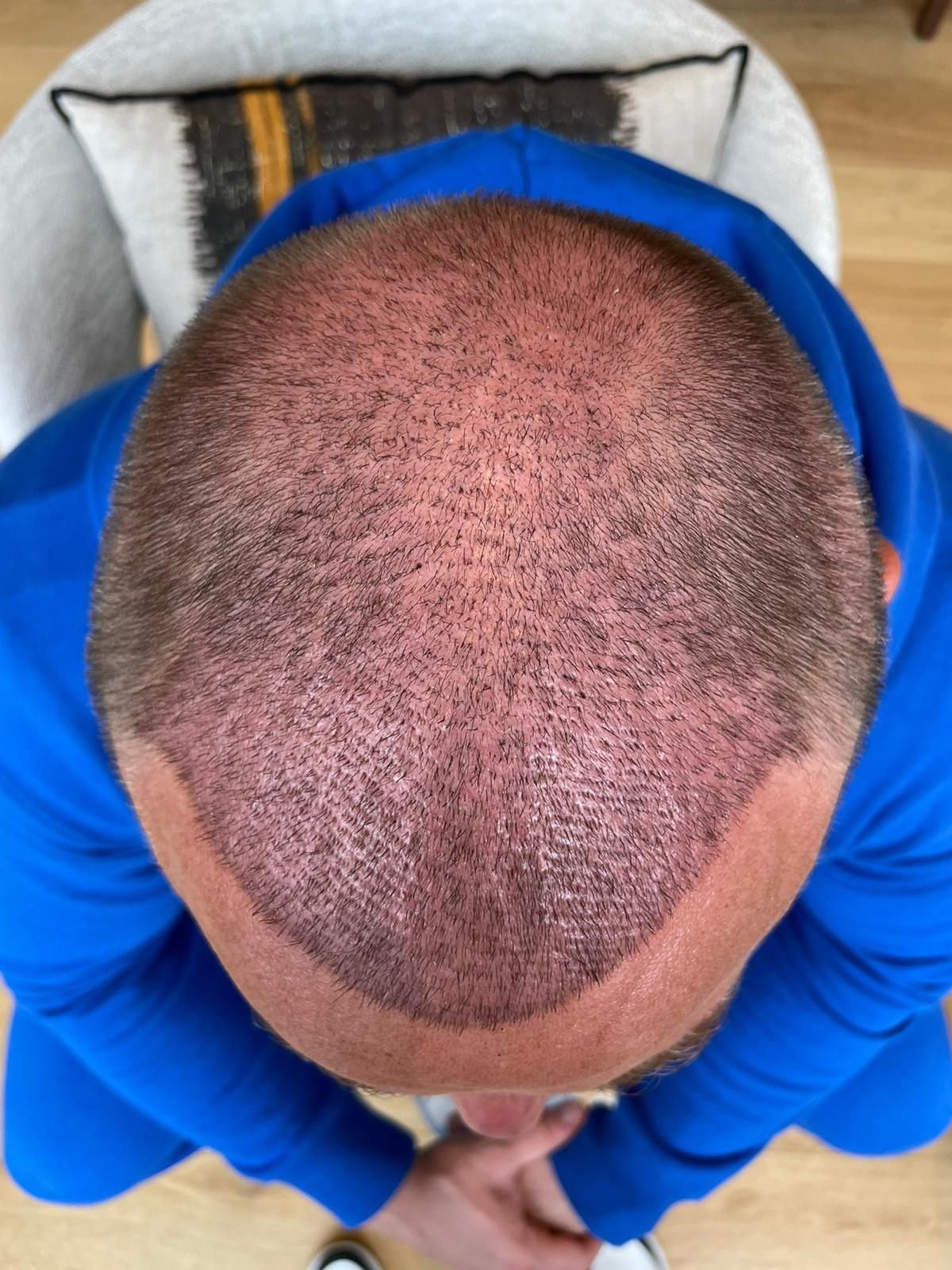
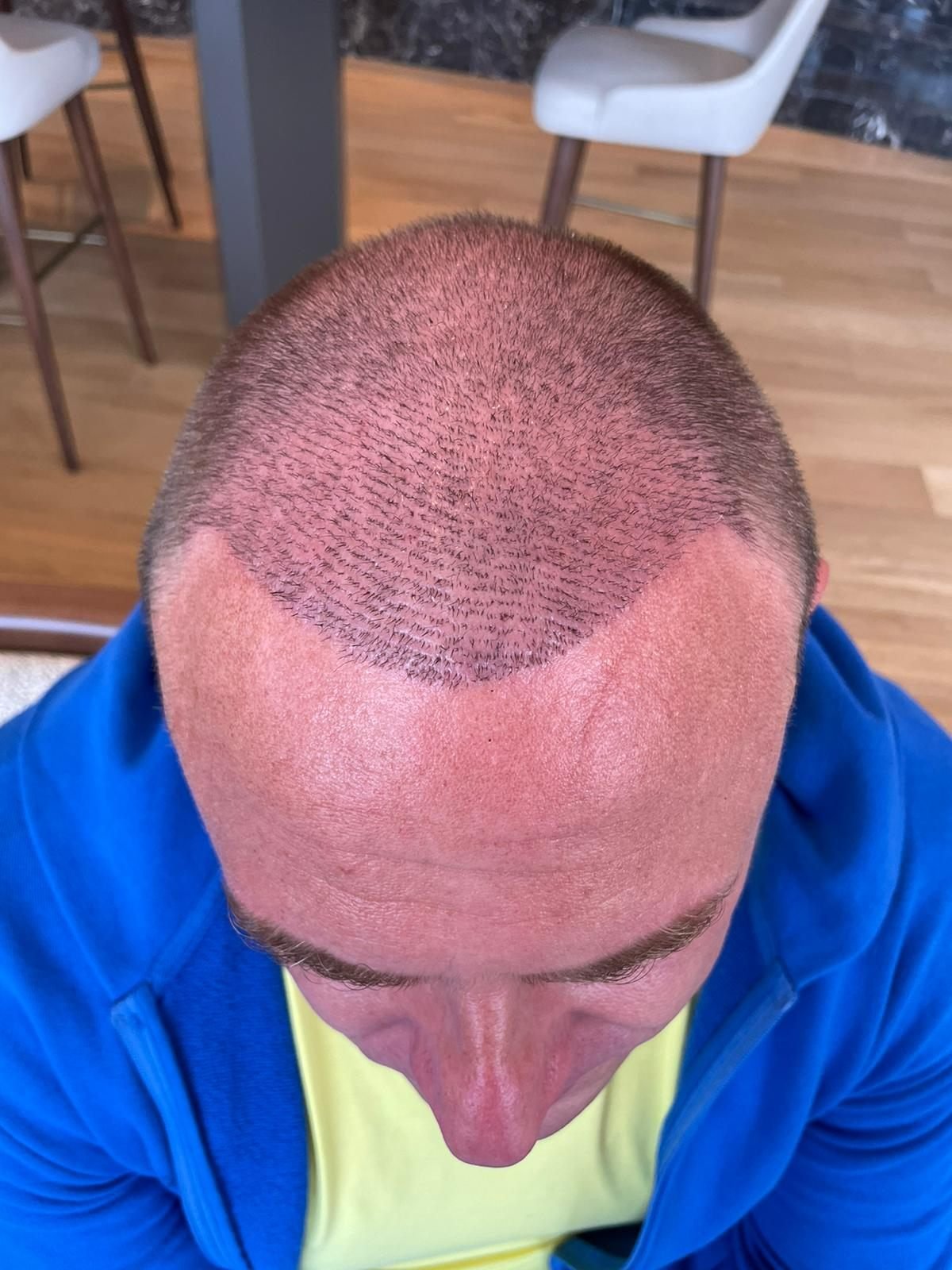
Around week three, your transplanted hair will fall out.
All of it, more or less. This is called shock loss, it is expected, and it happens to almost every patient. If nobody warned you, it is terrifying and it's the single most common reason patients think their transplant failed. Real growth starts around month four. Judge nothing before month twelve.
How to read a before & after photo — anyone's, including ours
Before/after photography is the industry's main sales tool, and it is trivially easy to manipulate without ever touching Photoshop. Check these six things on any gallery you're shown:
- 1
Lighting direction
Overhead light exaggerates thinning; soft frontal light hides it. The before should not be lit from above while the after glows from the front.
- 2
Wet vs dry, cut vs styled
Wet or buzzed hair photographs thinner. Longer, styled, product-in-hair afters flatter. Same length, same styling, or be suspicious.
- 3
Angle and distance
A before shot from above at close range against an after at eye level from a metre back isn't a comparison, it's a composition.
- 4
The hairline, up close, at the front
Density is easy to show from three metres. Ask for a close frontal shot at 12 months in daylight — it's where design quality lives or dies, and where galleries go quiet.
- 5
The donor area
The photo clinics almost never show. A good result on top with a moth-eaten donor behind is not a good result. Ask to see the back.
- 6
A date
“After” means nothing without a month count. Six months is half the story; twelve is the honest checkpoint.
Our photo policy
Patient photos on this site are unretouched — we normalise exposure and colour, and never edit the hair itself. Each case states its technique, graft count and time elapsed. Where a photo we have doesn't meet the standards above (some patient-submitted photos don't), we say so in the caption rather than quietly cropping.
What we can't do
No surgeon on earth can give a Norwood 6 the density and hairline he had at nineteen — there simply isn't enough donor hair on a human head, and anyone promising otherwise is describing someone else's photographs. What good planning can do at Norwood 5–6 is a strong frontal frame and natural coverage that reads as a full head of hair in normal life, at conversational distance, in normal light.
We also can't stop your native hair continuing to recede — only medication slows that — and we can't make a transplant grow faster than biology allows, whatever booster treatments you may be offered.
If what you want sits outside what's achievable, the assessment is where we'll tell you. Better to hear it from us for free than from a mirror after you've paid someone else.
Want to know what's achievable on your head?
Not a sales estimate — a surgeon's answer, including the limits.