For Women
Different biology, different questions — and an honest gate before surgery.
Nearly half of women experience noticeable hair loss in their lifetime, and the industry’s answer is usually a men’s page with the pronouns changed. Female hair loss behaves differently, and the responsible first step is often not a transplant at all. This page says so plainly.
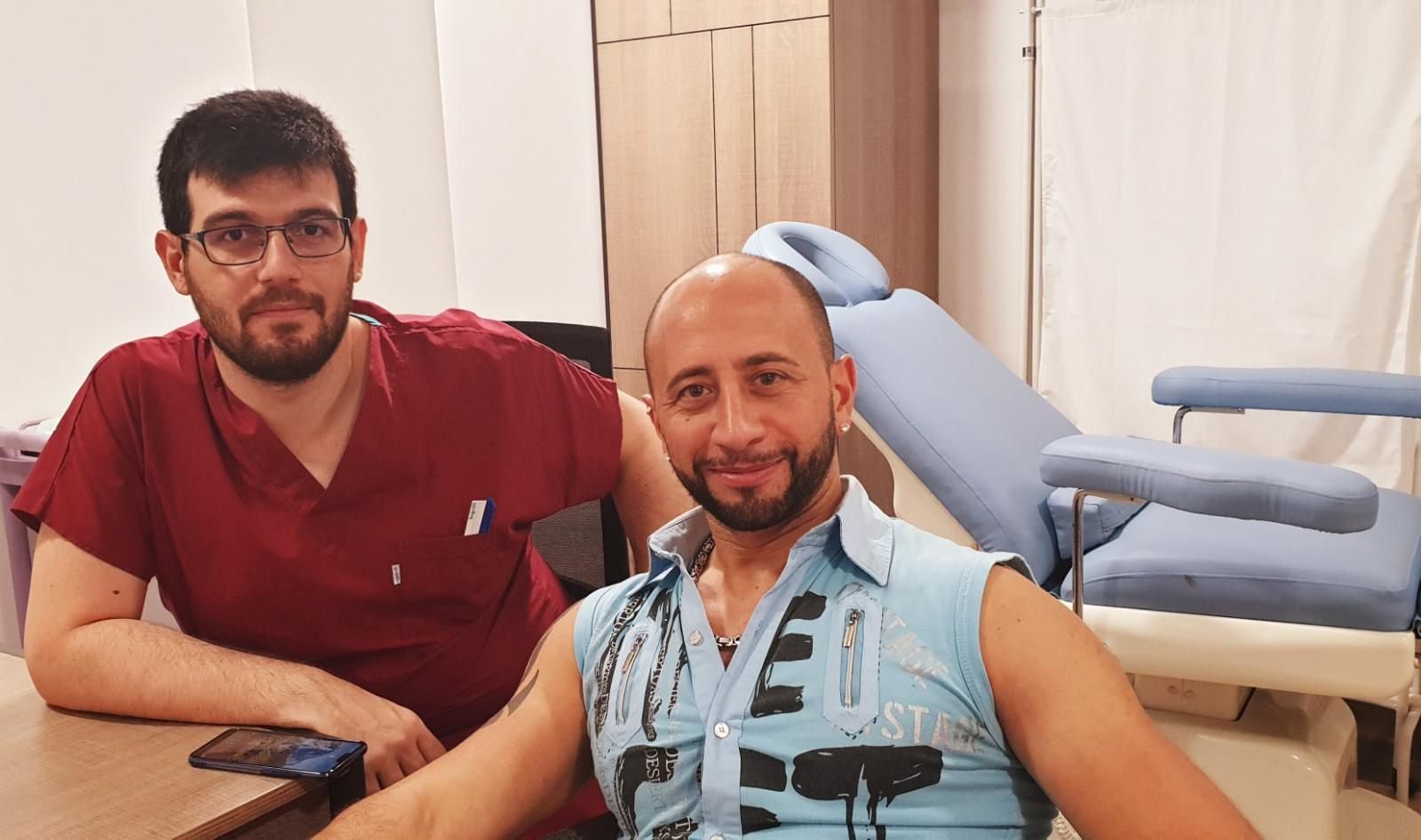
The technique, without the brochure gloss
Most male hair loss is a predictable pattern with a stable donor area. Most female hair loss is diffuse — thinning across the whole scalp, including the zones a transplant would borrow from. Moving hair from a thinning donor into a thinning crown helps no one.
That’s why our first question is never “how many grafts” but “why are you losing hair?” Thyroid function, iron stores, hormonal changes and traction all cause female hair loss — several are treatable without surgery, and surgery on an untreated cause fails.
Where surgery is right, it’s usually the unshaven DHI technique: no visible shave, grafts placed between existing hair, nothing to explain at work.
Step by step
- 1
Diagnosis first
We ask for recent blood work (thyroid, iron, hormones) before agreeing any surgery. If your loss has a treatable cause, surgery waits — or never happens. We’ll say so.
- 2
Candidacy honestly assessed
Stable frontal recession, traction alopecia at the edges, and hairline lowering respond beautifully. Active diffuse thinning usually doesn’t — and we decline those cases rather than take the money.
- 3
Unshaven procedure
Design with your hair styled as you wear it, concealed donor trim, implanter-pen placement between existing hairs.
- 4
Aftercare that fits long hair
Washing and care techniques adapted for length, taught in person and on video.
Who it suits
- Traction alopecia — thinned edges and temples from years of tension
- A naturally high hairline you’ve always wanted lowered
- Stable, defined frontal thinning
- Scars from surgery or injury
Who it doesn't
- Active, undiagnosed diffuse thinning — diagnosis and treatment first, always
- Loss that began recently or is still accelerating
- Post-partum shedding, which usually resolves on its own within a year
The honest limitation
Diffuse thinning carries a higher risk of shock loss — surgery can temporarily shed the weakened native hair around the grafts. This is exactly why we gate surgery behind diagnosis and stability: the women we say “not yet” to are protected by it, not rejected by it.
What the weeks actually look like
- 1Days 1–3
No visible shave; mild redness where the hairline is exposed.
- 2Week 1
Socially invisible styled normally; washing adapted for length.
- 3Weeks 2–4
Shock shed of transplanted hairs, concealed beneath existing hair.
- 4Months 4–12
Growth beneath your own hair — the most discreet reveal of any patient we treat.
See real healing-stage photos in patient results — including the stages other galleries crop out.
All-inclusive, from €3,900
Typically the unshaven DHI package: 3 hotel nights, transfers, interpreter and 12-month aftercare included. Every female case is individually assessed and quoted.
Included at this price
- Surgery with all hospital and theatre fees
- Hotel, breakfast and every transfer
- Interpreter and named coordinator
- Aftercare kit and 12 months of photo reviews
Asked about For Women
There is no shave to hide. For the first days there can be slight redness if your style exposes the hairline; styled normally, you’re socially invisible within about a week.
Possibly, but honestly: possibly not with surgery. Diffuse thinning needs a diagnosis first, and often responds to treating the cause. If a clinic offers you a graft count before asking for blood work, walk away.
Yes. Hormonal transitions change hair behaviour, and operating in the middle of one means aiming at a moving target. We’ll usually recommend waiting for stability — and tell you exactly why.
Not sure this is your technique? Good.
Choosing a technique from a website is guessing. Send three photos and get a recommendation with the reasoning shown — including when the cheaper option is the right one.